Family Living And Lifestyle Tips
Modern households are no longer shaped only by tradition, they are influenced by digital ecosystems, global marketplaces, and rapidly shifting lifestyle expectations. Families today are navigating a world where convenience, emotional connection, and efficiency must coexist in one shared space. The way people design their homes, manage routines, and interact daily has become a reflection of broader social and economic transformation.
In this evolving landscape, family living tips are no longer optional guidance but essential tools for building harmony, resilience, and balance across generations. These principles help families adapt to modern pressures such as hybrid work culture, digital consumption habits, and the growing influence of online marketplaces that shape everyday decisions.
Creating A Better Family Living Environment
A home is more than walls and furniture, it is a living system where emotions, habits, and interactions continuously shape the quality of life. When families consciously design their environment, they create a foundation for stability and emotional well-being that lasts.
Understanding how space, routine, and communication interact is the first step toward building a healthier household rhythm that supports every member equally.
FAMILY LIVING TIPS help transform ordinary homes into intentional living spaces where comfort and connection coexist naturally, especially in modern environments influenced by global digital marketplaces and evolving lifestyle expectations.
At the same time, applying Family Living And Lifestyle Tips allows families to optimize daily routines, reduce unnecessary stress, and build systems that support long-term harmony.
As noted by lifestyle researcher Dr. Eleanor Whitmore, “A well-structured home environment is not defined by luxury, but by how effectively it supports emotional safety and daily functionality.”
The importance of comfort and functionality in family homes
Comfort and functionality are the backbone of a thriving household. Smart layouts, adaptable furniture, and intuitive space design create fluidity in daily movement. Families benefit when their environment reduces friction rather than adds complexity. In today’s world, even small adjustments, like organized storage or shared digital calendars, can significantly improve daily flow.
Building routines that support family well-being
Daily routines act as invisible architecture within a family system. Morning structure, shared meals, and consistent rest schedules provide emotional grounding. A long-tail perspective such as how to build healthy family routines in a modern digital lifestyle highlights the importance of predictability in an unpredictable world.
Encouraging positive interactions within the household
Healthy communication is the heartbeat of a strong family. When conversations are open and respectful, misunderstandings decrease and emotional trust deepens. Simple habits like daily check-ins or screen-free moments together can dramatically improve relational quality.
Lifestyle Tips For Everyday Family Life
Daily life is where intention meets reality. Modern families often juggle professional obligations, digital distractions, and personal aspirations within the same 24-hour cycle, making balance more important than ever.
The challenge is not just managing time, but managing energy, attention, and emotional presence in a way that feels sustainable.
Managing household responsibilities efficiently
Efficiency in household management has become essential in modern living. Digital tools, shared task systems, and automation platforms allow families to distribute responsibilities more fairly. This aligns closely with Family Living And Lifestyle Tips, especially when reducing mental load becomes a priority.
In some contexts, even health-related awareness such as Medical Treatment for Obesity Patients intersects with family lifestyle planning, particularly when households aim to adopt healthier routines together.
Creating balance between work, family, and personal time
Work-life balance is no longer a luxury, it is a necessity. Families are increasingly adopting flexible schedules and hybrid work models, requiring stronger boundaries between professional and personal spaces. A long-tail concept like strategies for balancing remote work and family responsibilities at home reflects this growing need for structure within flexibility.
“Balance is not about equal time distribution, but about intentional presence in each moment,” explains sociologist Mark Donovan.
Developing habits that improve daily living
Small habits shape long-term outcomes more than grand decisions. Morning planning, intentional breaks, and evening reflection help stabilize emotional energy. Over time, these micro-actions form a lifestyle that feels more grounded and less reactive.
Supporting Long-Term Family Well-Being
Long-term well-being requires foresight. Families must think beyond immediate comfort and consider how their environment and habits will evolve over time.
This includes emotional resilience, adaptability to change, and the ability to maintain connection even during periods of transition.
Designing a home and lifestyle that can grow with the family ensures stability across different life stages.
Designing spaces that encourage togetherness
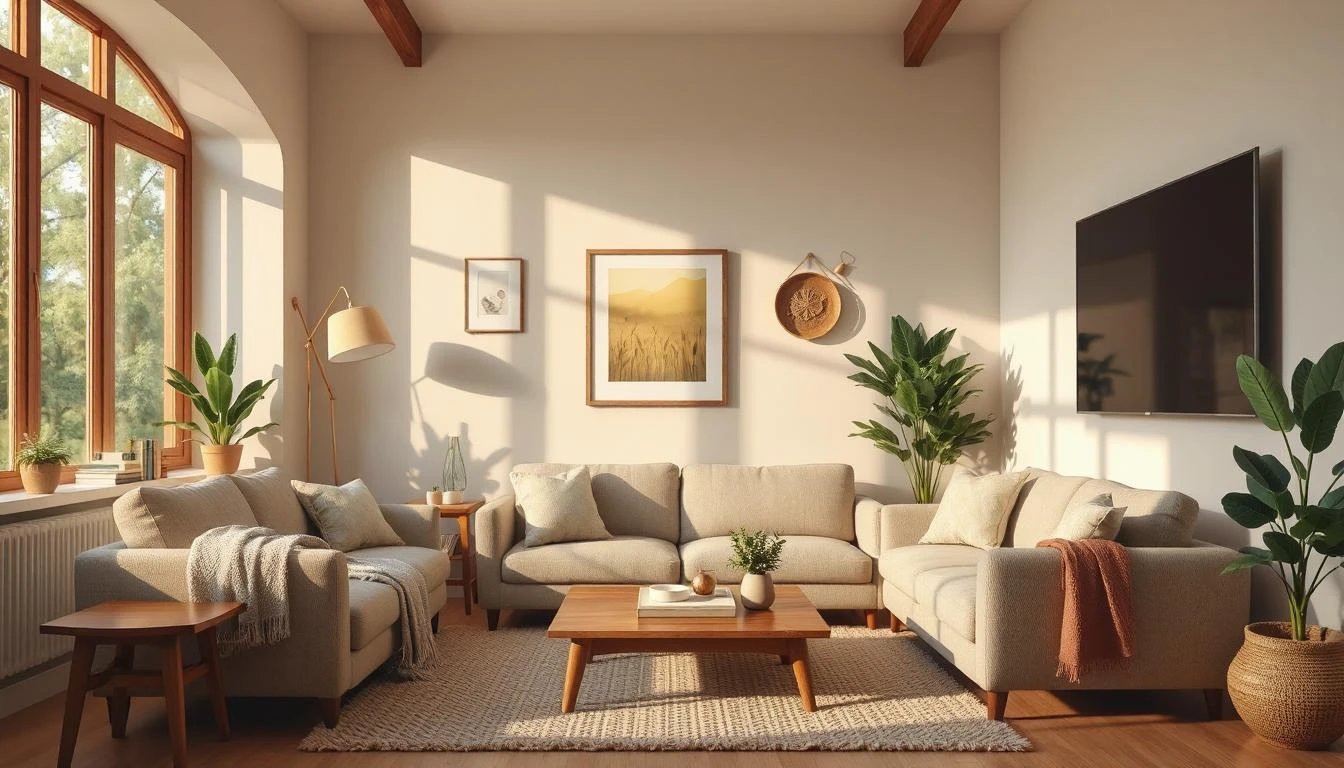
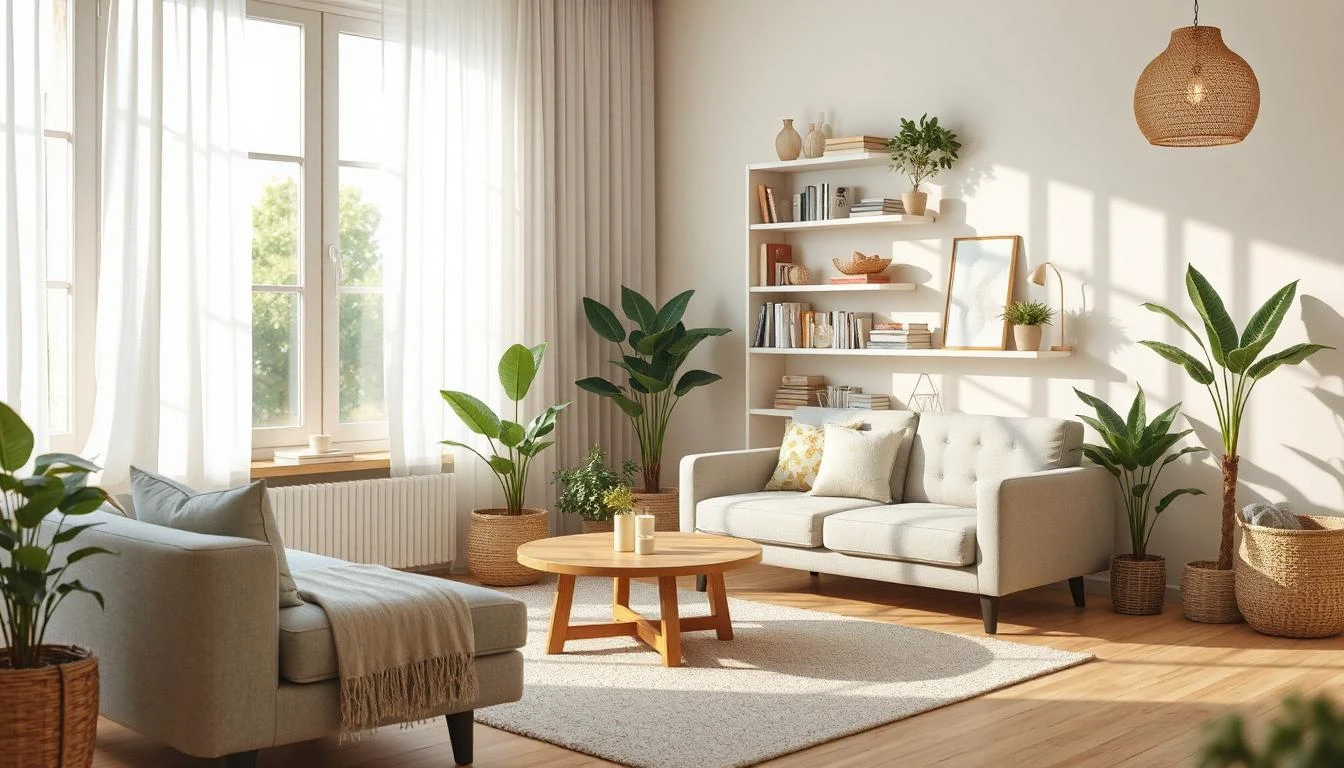
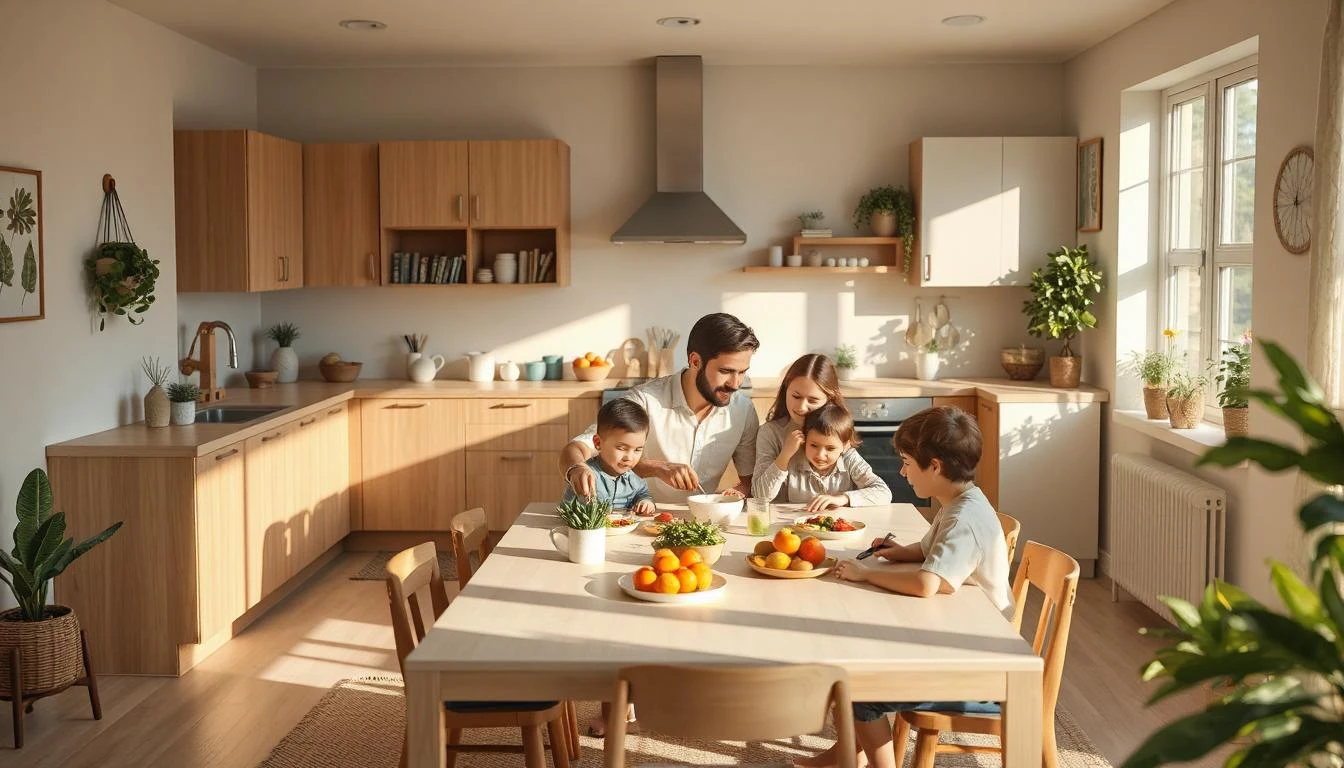
Shared spaces like living rooms and dining areas play a critical role in emotional bonding. Open layouts, comfortable seating arrangements, and minimal distractions encourage natural interaction. These design choices reflect global trends in modern living spaces shaped by both cultural and digital influences.
Adapting lifestyles to changing family priorities
Families are dynamic systems. Children grow, careers shift, and priorities evolve. Adapting to these changes requires flexibility and awareness. Whether adjusting routines or redefining responsibilities, adaptability ensures long-term harmony within the household.
Building a healthy and supportive home environment
A supportive home prioritizes emotional safety, mental well-being, and physical health. This includes encouraging open communication, maintaining healthy boundaries, and fostering mutual respect among all members.
Improve Family Life With Practical Lifestyle Tips
Modern living demands conscious design of daily habits and environments. When families actively apply FAMILY LIVING TIPS, they create a stronger sense of unity, stability, and purpose within the household.
Integrating Family Living And Lifestyle Tips into everyday routines helps transform challenges into manageable systems rather than overwhelming pressures. The influence of global digital marketplaces and shifting lifestyle expectations continues to redefine how families interact with time, space, and each other.
As Dr. Leonard Hayes states, “The future of family well-being depends on how well we adapt our homes to support emotional intelligence and digital awareness simultaneously.”
The real shift happens when families stop reacting to chaos and start designing their lifestyle with intention.